Working Hours
Clinic Schedule
Mon - Fri:8:00 AM - 8:00 PM
Saturday:9:00 AM - 6:00 PM
Sunday:10:00 AM - 5:00 PM
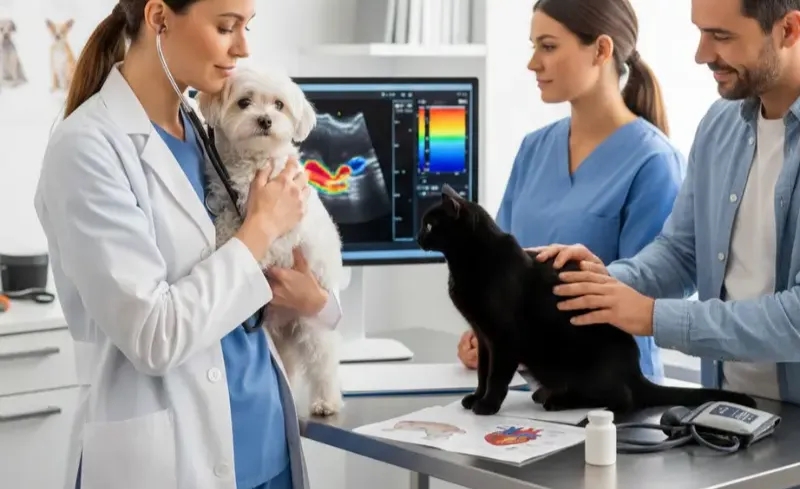
Pets don’t tell us when something is wrong, and that’s especially true with heart disease. At Companion Animal Hospital, one of the most important areas of preventive care we emphasize is cardiac health. Just as in humans, early detection and proactive management can transform outcomes for dogs and cats alike. In this in-depth guide, we’ll explore what heart disease looks like in pets, how to recognize it, and what you can do to help your companion enjoy a long, happy life.
Heart disease refers to any condition that affects the heart’s ability to pump blood effectively. In dogs and cats, it can be congenital (present at birth) or acquired (develops later in life). Because many pets mask symptoms until the disease has progressed, it’s vital to stay informed and work closely with your veterinary team.
Pets don’t experience symptoms in the same way humans do. Here are subtle and not-so-subtle changes to watch for:
✔ Coughing or Wheezing
This may occur due to fluid buildup in the lungs.
✔ Reduced Stamina or Reluctance to Exercise
If your dog or cat tires easily or doesn’t want to play like they used to, the heart may be struggling.
✔ Breathing Changes
Rapid or labored breathing at rest can be a red flag.
✔ Fainting or Collapse
A late-stage sign that requires immediate veterinary attention.
✔ Weight Loss or Inappetence
A poor appetite or unexplained weight changes may be more serious than they appear.
Even if only one of these signs shows up, an exam is warranted. Early detection is key.
At Companion Animal Hospital, our cardiac diagnostic approach is thorough yet compassionate. Here’s what we may include:
📊 Physical Exam
Listening to the heart for murmurs or irregular rhythms.
🩺 Bloodwork
To rule out other issues that can mimic or worsen cardiac disease.
🫀 X-Rays and Imaging
Digital X-rays show heart enlargement, fluid in the lungs, or changes in blood vessels.
ECG (Electrocardiogram)
Detects electrical abnormalities in the heart rhythm.
Echocardiography (Ultrasound)
A detailed look at heart structure and function.
Together, these tools let us tailor a care plan unique to your pet’s needs.
Treatment depends on type and severity, but may include:
Low-sodium diets and weight management ease the workload on the heart.
Frequent check-ins allow us to adjust treatment and catch progression early.
Pets often do remarkably well once a customized plan is in place — especially when owners partner with their vet.
While not all cardiac disease can be prevented, the following steps make a difference:
✔ Routine Wellness Exams
These catch subtle changes long before symptoms develop.
✔ Heartworm Prevention
In regions where mosquitoes are active, heartworm disease can be devastating.
✔ Maintain Healthy Weight
Extra pounds put added strain on the heart.
✔ Know the Risk Factors
Breed, age, and history all play a role.
Heart disease is not a life sentence but early detection matters. Regular check-ups with your veterinary team at Companion Animal Hospital ensure the best possible outcomes.
Your pet’s heart works tirelessly, day in and day out, and it doesn’t always show pain the way humans do. By staying alert, maintaining preventive care, and responding promptly to changes, you can help your companion live a healthier, longer life.
If you ever have questions about heart health or notice something amiss, we’re here to help every step of the way.