Working Hours
Clinic Schedule
Mon - Fri:8:00 AM - 8:00 PM
Saturday:9:00 AM - 6:00 PM
Sunday:10:00 AM - 5:00 PM
Admin
Veterinary Team
As summer comes to an end, households begin shifting into a new rhythm. Children head back to school, vacations conclude, work schedules become busier, and family routines quickly change. While these adjustments are exciting for people, they can be surprisingly stressful for pets. Dogs and cats often thrive on consistency, and even small changes to their daily schedule can influence their emotional and physical well-being.
The transition into autumn also marks an ideal opportunity to review your pet's preventive healthcare. Dogs benefit from end-of-summer wellness exams that identify developing health concerns before colder weather arrives. Cats, meanwhile, should receive routine parasite prevention to protect them from worms that remain active well into late summer and early fall.
Rather than viewing these topics separately, they all contribute to one goal: helping your pets enjoy a safe, healthy, and comfortable seasonal transition. Whether you share your home with a playful puppy, a senior dog, an adventurous outdoor cat, or a quiet indoor feline, proactive care now can make the months ahead much easier.
Pets quickly become accustomed to family routines.
Throughout summer they may enjoy:
When September arrives, much of this changes almost overnight.
Dogs may suddenly spend several hours alone every weekday. Cats may notice quieter homes and fewer familiar daily activities. Meal times shift, exercise schedules change, and household activity decreases dramatically.
While these adjustments seem normal to people, pets experience them differently because they don't understand why everything has changed.
Recognizing these seasonal transitions allows pet owners to support both emotional and physical health before problems develop.
One of the most common concerns veterinarians see at the end of summer is separation anxiety in dogs.
Dogs are social animals. Many spend weeks enjoying nearly constant companionship during school holidays. When the house suddenly becomes empty, they may struggle to understand why everyone disappeared.
Some dogs adapt within a few days. Others experience genuine emotional distress.
Watch for behaviours such as:
These behaviours aren't signs of disobedience. Instead, they often reflect stress and uncertainty.
One of the best ways to reduce anxiety is introducing your new schedule before school officially begins. Practice leaving home for short periods.
Start with:
Gradually extending your absence teaches your dog that departures are temporary and that you always return. Consistency builds confidence.
Dogs often benefit from special enrichment activities reserved only for times when they're home alone.
Examples include:
These activities help redirect attention away from your departure while providing valuable mental stimulation.
A physically and mentally satisfied dog generally relaxes more easily.
Before heading to work or school:
Mental enrichment tires dogs almost as effectively as physical exercise.
Lengthy emotional goodbyes may unintentionally increase anxiety.
Instead:
Over time your dog learns that departures and arrivals are simply part of daily life.
Cats have a reputation for independence, but they appreciate predictable routines just as much as dogs.
Changes in household activity may affect cats in subtle ways. Unlike dogs, cats often hide their stress. Instead of vocalizing or becoming destructive, they may quietly alter their behaviour.
Watch for:
Even indoor-only cats notice when the household becomes quieter after summer ends.
Cats appreciate consistency.
Whenever possible:
Small consistencies provide reassurance during larger family transitions.
Environmental enrichment reduces boredom while family members are away.
Consider adding:
These activities encourage natural feline behaviours while preventing boredom.
Many cats naturally seek quiet resting places during periods of change.
Allow them access to:
Providing safe retreats helps reduce stress without forcing interaction.
Autumn introduces changing temperatures, different outdoor conditions, and new seasonal activities.
Scheduling a wellness examination before fall allows veterinarians to evaluate your dog's overall health before colder weather arrives.
Preventive care often identifies small concerns before they become expensive medical problems.
Summer often brings extra treats, vacations, and reduced exercise routines.
Even modest weight gain can increase the risk of:
Your veterinarian can recommend healthy nutritional adjustments before winter activity levels decline further.
Older dogs commonly develop early arthritis symptoms during seasonal transitions.
An examination may reveal:
Early treatment helps maintain comfort throughout colder months.
Dental disease affects many adult dogs.
A routine examination identifies:
Maintaining oral health supports heart, kidney, and overall health.
Summer heat often contributes to:
Veterinary evaluation ensures these issues don't continue into fall.
Autumn often brings increased boarding, daycare visits, travel, and holiday gatherings. Your veterinarian can verify whether vaccines remain current based on your dog's lifestyle and exposure risk.
Many owners mistakenly assume parasites disappear once summer begins winding down.
Unfortunately, worms remain active throughout late summer and well into autumn.
Both indoor and outdoor cats remain at risk.
Veterinarians commonly diagnose:
Cats may become infected through:
Even indoor cats can encounter parasites carried inside on shoes or through flea exposure.
Signs vary depending on the parasite.
Potential symptoms include:
Some infected cats show no obvious symptoms at all. Routine screening remains extremely important.
Parasites compete with your cat for nutrients.
Left untreated, they may contribute to:
Certain parasites may also pose health risks for people, making routine prevention important for the entire household.
Your veterinarian may recommend:
Parasite prevention plans should always be tailored to your cat's age, lifestyle, and risk factors.
The beginning of fall provides an excellent opportunity to review every aspect of preventive healthcare.
Consider asking yourself:
Answering these questions early often prevents more serious health issues later.
Physical health and emotional wellness are closely connected. A stressed dog may develop digestive upset, reduced appetite, or destructive behaviours. A stressed cat may hide illness, stop eating normally, or experience urinary issues.
Combining preventive veterinary care with supportive home routines creates the strongest foundation for long-term health. Simple daily habits including exercise, enrichment, predictable schedules, and regular veterinary visits help pets adjust confidently as seasons change.
Every dog and cat experiences seasonal transitions differently. Age, breed, medical history, activity level, and lifestyle all influence how they respond to changing routines.
Routine veterinary visits provide opportunities to discuss behavioural concerns, nutrition, parasite prevention, vaccinations, dental care, mobility, and overall wellness before small issues become larger ones.
Whether your dog is adjusting to quieter weekdays after summer or your cat needs parasite prevention before autumn arrives, personalized veterinary guidance helps ensure they remain healthy throughout the changing seasons.
The transition from summer into fall is about much more than changing weather. It brings new routines, different activity levels, emotional adjustments, and evolving healthcare needs for every pet.
Helping dogs overcome separation anxiety, supporting cats through household routine changes, scheduling end-of-summer wellness exams, and maintaining effective parasite prevention all contribute to healthier, happier companions throughout the season.
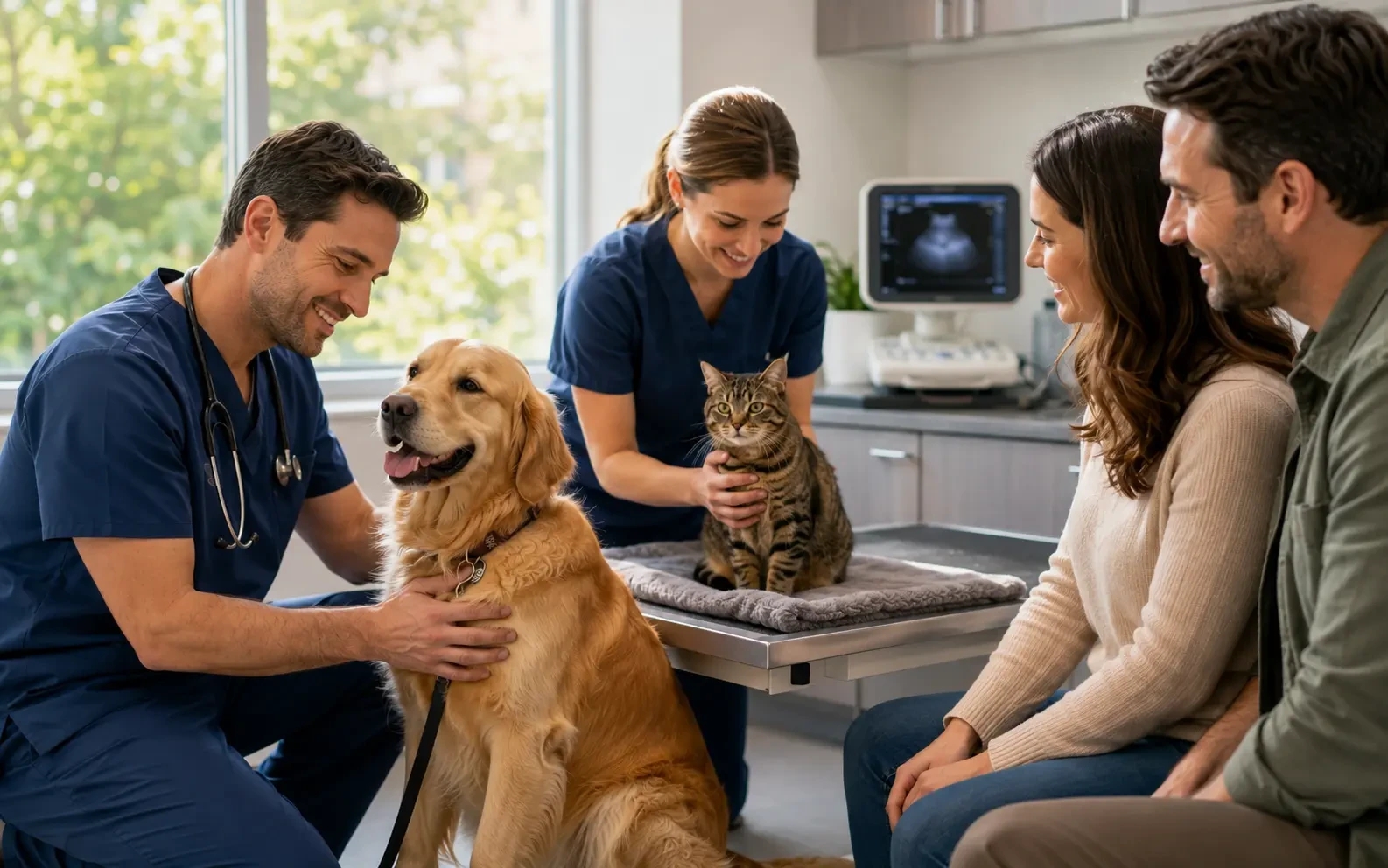
At Companion Animal Hospital, our team is committed to providing compassionate preventive care for dogs and cats in every stage of life. By partnering with pet owners and emphasizing proactive wellness, we help families in Richmond keep their beloved companions healthy, comfortable, and ready to enjoy every season together.