Working Hours
Clinic Schedule
Mon - Fri:8:00 AM - 8:00 PM
Saturday:9:00 AM - 6:00 PM
Sunday:10:00 AM - 5:00 PM
Companion Animal Hospital
Veterinary Team
Preventive veterinary care is one of the most powerful tools available to protect your pet's health, comfort, and longevity. While many pet owners associate veterinary visits with illness or injury, routine preventive care plays a much larger role in keeping pets healthy and detecting problems early-often before symptoms are noticeable at home. At Companion Animal Hospital, preventive care is approached as an ongoing partnership designed to support pets through every stage of life.
Pets age faster than humans, and changes in their health can occur quickly. A condition that develops quietly over months can suddenly become serious if left unchecked. Preventive veterinary care focuses on early detection, risk reduction, and proactive management, helping pets live longer, healthier lives with fewer emergency situations.
Preventive care is not a single service but a combination of essential medical practices that work together to maintain overall wellness. These typically include routine physical examinations, vaccinations, parasite prevention, diagnostic screening, nutritional guidance, and dental health monitoring. Each component provides valuable insight into your pet's health and helps veterinarians identify subtle changes over time.
At Companion Animal Hospital, preventive care plans are tailored to each pet's age, breed, lifestyle, and medical history. Indoor cats, active dogs, senior pets, and young puppies all have different health risks, and preventive care allows those risks to be addressed appropriately.
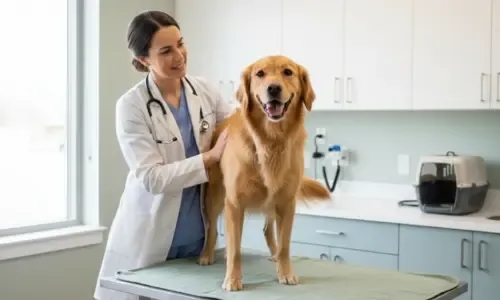
Routine wellness exams are the foundation of preventive veterinary medicine. During a comprehensive physical exam, the veterinarian evaluates your pet from nose to tail, checking body condition, skin and coat health, heart and lung sounds, joint mobility, oral health, and behavior.
Pets are naturally good at hiding discomfort, which means pain or illness may not be obvious to owners. Subtle signs such as slight weight changes, reduced activity, or minor behavioral shifts can be early indicators of underlying disease. Regular exams allow veterinarians to recognize these changes early, often before they develop into serious conditions.
Wellness visits also provide time for discussion. Pet owners can ask questions about diet, exercise, behavior, and age-related changes, ensuring they have the information needed to make informed decisions about their pet's care.
Vaccinations protect pets from serious and potentially life-threatening diseases. Core vaccines are recommended for most pets, while non-core vaccines are based on lifestyle factors such as outdoor exposure, travel, boarding, or interaction with other animals.
Rather than using a one-size-fits-all approach, Companion Animal Hospital evaluates each pet individually to determine appropriate vaccination schedules. This balanced approach ensures pets receive the protection they need while avoiding unnecessary treatments.
Vaccination is also a community responsibility. Preventing the spread of contagious disease protects not only individual pets but also the broader pet population.
Preventive care extends beyond physical exams. Diagnostic testing plays a critical role in identifying hidden health issues that may not yet show visible symptoms. Routine bloodwork, urinalysis, and imaging can detect early signs of kidney disease, liver dysfunction, diabetes, thyroid disorders, infections, and other internal conditions.
Early diagnosis often leads to simpler treatment plans, better long-term outcomes, and reduced discomfort for pets. For senior pets especially, regular screening provides valuable baseline information that helps veterinarians track changes over time.
Preventive care needs evolve as pets age.
Puppies and Kittens:
Early visits focus on growth monitoring, vaccinations, parasite prevention, and guidance on nutrition and behavior. Establishing routine veterinary care early sets the foundation for lifelong health.
Adult Pets:
Annual exams help maintain optimal weight, monitor dental health, and detect early disease. Preventive care during adulthood focuses on maintaining wellness and addressing risks before
they escalate.
Senior Pets:
As pets age, preventive care becomes even more important. Older pets are more prone to chronic conditions such as arthritis, heart disease, and kidney issues. More frequent monitoring allows veterinarians to manage these conditions proactively and maintain quality of life.
One of the most valuable aspects of preventive care is continuity. When pets receive regular care at the same hospital, the veterinary team becomes familiar with their medical history, personality, and normal behavior. This makes it easier to recognize changes and respond appropriately.
Companion Animal Hospital emphasizes compassionate, consistent care, helping pets feel comfortable and supported during visits. A strong veterinarian-client relationship leads to better communication, trust, and outcomes.
Preventive veterinary care is an investment in your pet's future. It reduces the risk of serious illness, minimizes unexpected emergencies, and supports a higher quality of life. Rather than waiting for problems to arise, preventive care allows veterinarians and pet owners to work together to keep pets healthy, comfortable, and thriving.
By prioritizing routine veterinary visits, pet owners give their companions the best chance at a long, happy life.