Working Hours
Clinic Schedule
Mon - Fri:8:00 AM - 8:00 PM
Saturday:9:00 AM - 6:00 PM
Sunday:10:00 AM - 5:00 PM
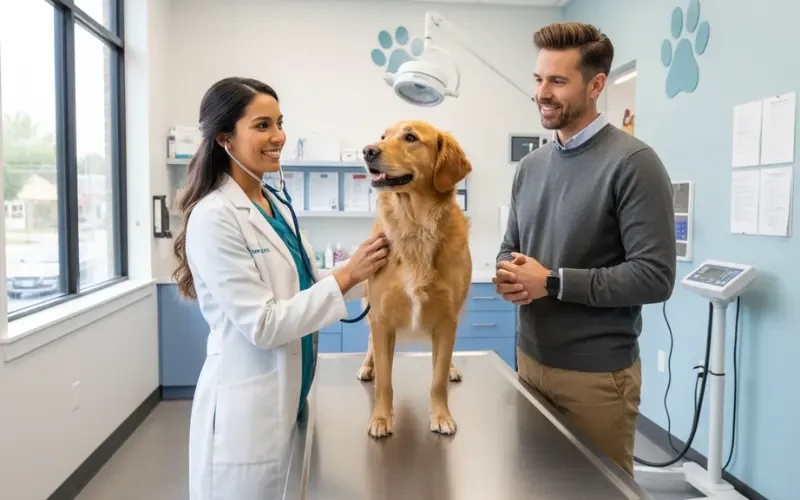
Pets are more than companions, they are beloved members of the family. Just like humans, pets require regular medical care to stay healthy throughout their lives. Preventive veterinary care plays a vital role in detecting health problems early, preventing diseases, and ensuring your pet enjoys a long and comfortable life.
At Companion Animal Hospital in Richmond, preventive care is a key part of maintaining the health and happiness of pets. Through routine wellness exams, vaccinations, diagnostic testing, and professional guidance, veterinary teams help pet owners take proactive steps to protect their animals.
Preventive veterinary care focuses on maintaining your pet’s health before serious problems develop. Instead of treating illnesses after symptoms appear, preventive care emphasizes early detection and disease prevention.
Preventive care typically includes:
These services help veterinarians identify health concerns early and develop treatment plans before conditions become severe.
Wellness exams are one of the most important components of preventive care. During these visits, veterinarians perform a comprehensive physical examination to evaluate your pet’s overall health.
A typical wellness exam may include checking:
Veterinarians may also ask questions about your pet’s diet, behavior, and lifestyle to better understand any changes in their health.
Regular wellness exams allow veterinarians to detect early warning signs of illness such as infections, organ problems, arthritis, or metabolic diseases.
Vaccinations are essential in protecting pets from contagious and potentially life-threatening diseases. Vaccines help strengthen your pet’s immune system so their body can effectively fight infections.
Common vaccines for dogs may include:
For cats, important vaccines often include:
A veterinarian will recommend a vaccination schedule based on your pet’s age, lifestyle, and health condition.
Vaccinations are one of the most effective ways to prevent serious diseases and protect both pets and their owners.
Modern veterinary clinics use advanced diagnostic tools to identify health problems early. Diagnostic testing may include bloodwork, urinalysis, and imaging technologies such as digital X-rays.
In-house diagnostic laboratories allow veterinarians to obtain results quickly and make faster treatment decisions when needed.
Early detection through diagnostic testing can identify conditions such as:
When diseases are detected early, treatment is often more successful and less costly.
Dental disease is one of the most common health problems in pets, yet it is often overlooked by pet owners. Plaque and tartar buildup can lead to periodontal disease, which causes pain, tooth loss, and infections.
If left untreated, bacteria from dental infections can enter the bloodstream and affect vital organs such as the heart, liver, and kidneys.
Professional dental cleanings, regular oral exams, and proper home care are essential in maintaining your pet’s oral health.
Parasites such as fleas, ticks, and intestinal worms can cause serious health problems for pets. Some parasites can even be transmitted to humans.
Preventive parasite control helps protect your pet from:
Veterinarians can recommend appropriate parasite prevention treatments based on your pet’s lifestyle and environment.
A balanced diet is crucial for your pet’s overall health. Obesity in pets can increase the risk of several health issues including diabetes, arthritis, and heart disease.
Veterinarians often provide nutritional guidance to ensure pets receive the right diet for their age, breed, and activity level.
Maintaining a healthy weight can significantly improve your pet’s quality of life and longevity.
Preventive care not only protects pets but also benefits pet owners in several ways.
Early detection of health problems often leads to:
Preventive care also provides peace of mind knowing that your pet is receiving regular professional health evaluations.
Veterinarians generally recommend:
Regular veterinary visits ensure pets receive continuous monitoring throughout their lives.
Preventive veterinary care is one of the most important investments you can make in your pet’s health. Routine exams, vaccinations, dental care, and diagnostic testing help detect problems early and prevent serious diseases.
By partnering with an experienced veterinary team and maintaining a regular healthcare schedule, pet owners can ensure their companions live longer, healthier, and happier lives.
If you want to protect your pet’s future health, scheduling routine preventive care appointments is the best place to start.