Working Hours
Clinic Schedule
Mon - Fri:8:00 AM - 8:00 PM
Saturday:9:00 AM - 6:00 PM
Sunday:10:00 AM - 5:00 PM
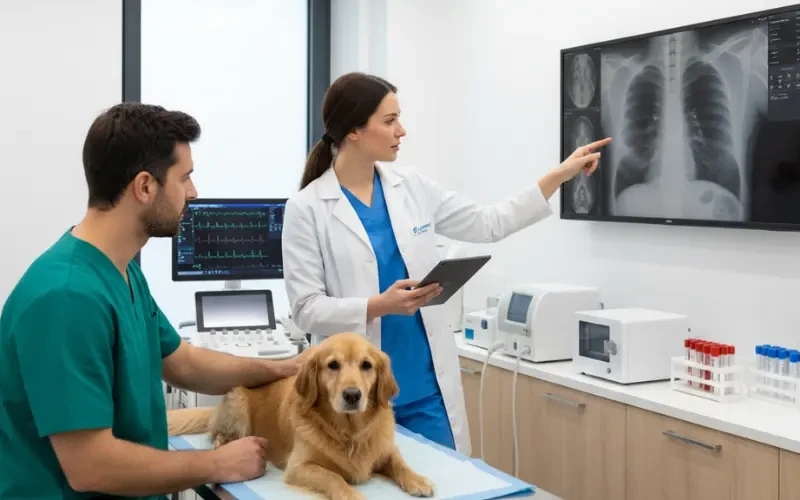
Veterinary medicine has advanced significantly in recent years, allowing veterinarians to diagnose and treat medical conditions more accurately than ever before. Modern diagnostic tools play a crucial role in identifying diseases early, improving treatment outcomes, and ensuring pets receive the best possible care.
Veterinary hospitals such as Companion Animal Hospital in Richmond utilize advanced diagnostic technologies, including laboratory testing and digital imaging, to evaluate pet health quickly and accurately.
Understanding how these diagnostic tools work can help pet owners appreciate the importance of timely veterinary examinations and testing.
Pets cannot communicate their symptoms the same way humans can. Many illnesses develop gradually and may not show obvious signs until they become serious.
Diagnostic testing allows veterinarians to identify health problems before symptoms become severe. Early diagnosis often leads to more effective treatments and better outcomes.
Diagnostic tools help detect:
By identifying these conditions early, veterinarians can begin treatment sooner and help pets recover faster.
Veterinary diagnostic testing includes several different procedures that help evaluate a pet’s health.
Some of the most common tests include:
Blood Tests
Blood tests provide valuable information about how the body’s organs are functioning. They can detect problems with the liver, kidneys, immune system, and endocrine system.
Bloodwork is often recommended for:
Urinalysis
Urine testing helps veterinarians evaluate kidney function and detect urinary tract infections or metabolic conditions such as diabetes.
Urinalysis can reveal:
Fecal Testing
Fecal examinations identify intestinal parasites that may cause digestive problems or affect overall health.
Regular fecal testing is particularly important for puppies and kittens.
Diagnostic imaging allows veterinarians to examine internal structures that cannot be seen during a physical exam.
Two common imaging techniques include:
Digital X-Rays
Digital radiography provides clear images of bones, organs, and tissues. X-rays help veterinarians detect fractures, tumors, foreign objects, and lung diseases.
These images allow veterinarians to make quick and accurate diagnoses while minimizing stress for pets.
Advanced Imaging
In some cases, advanced imaging technologies may be used to examine internal organs more closely.
These technologies help veterinarians evaluate complex medical conditions and develop precise treatment plans.
Diagnostic testing also plays a crucial role in surgical planning.
Before surgery, veterinarians often perform tests to ensure pets are healthy enough for anesthesia and surgical procedures.
These tests may include:
By evaluating a pet’s health beforehand, veterinarians can minimize risks and ensure safer procedures.
Many pets develop chronic medical conditions as they age. These may include arthritis, kidney disease, diabetes, or heart disease.
Regular diagnostic testing helps veterinarians monitor these conditions and adjust treatment plans as needed.
Monitoring tests help track:
This ongoing monitoring helps pets maintain a good quality of life even when managing chronic illnesses.
Early diagnosis is one of the most important factors in successful veterinary treatment.
When health problems are detected early, veterinarians often have more treatment options available. Early treatment may include medications, dietary adjustments, lifestyle changes, or minimally invasive procedures.
In contrast, delayed diagnosis may allow diseases to progress to more severe stages, making treatment more difficult.
Regular diagnostic testing therefore plays a key role in maintaining long-term pet health.
Veterinarians may recommend diagnostic testing in several situations, including:
Your veterinarian will determine which tests are appropriate based on your pet’s age, breed, and medical history.
Pet owners can support their pet’s health by paying attention to any unusual changes in behavior or physical condition.
Signs that may require veterinary evaluation include:
Prompt veterinary evaluation combined with diagnostic testing can help identify the cause of these symptoms.
Veterinary diagnostics play a critical role in modern pet healthcare. Advanced testing and imaging technologies allow veterinarians to detect diseases early, guide treatment decisions, and monitor ongoing health conditions.
By scheduling regular veterinary visits and following your veterinarian’s recommendations for diagnostic testing, you can help ensure your pet stays healthy throughout every stage of life.
Early detection, accurate diagnosis, and professional veterinary care together provide the best foundation for a long and happy life for your beloved companion.